
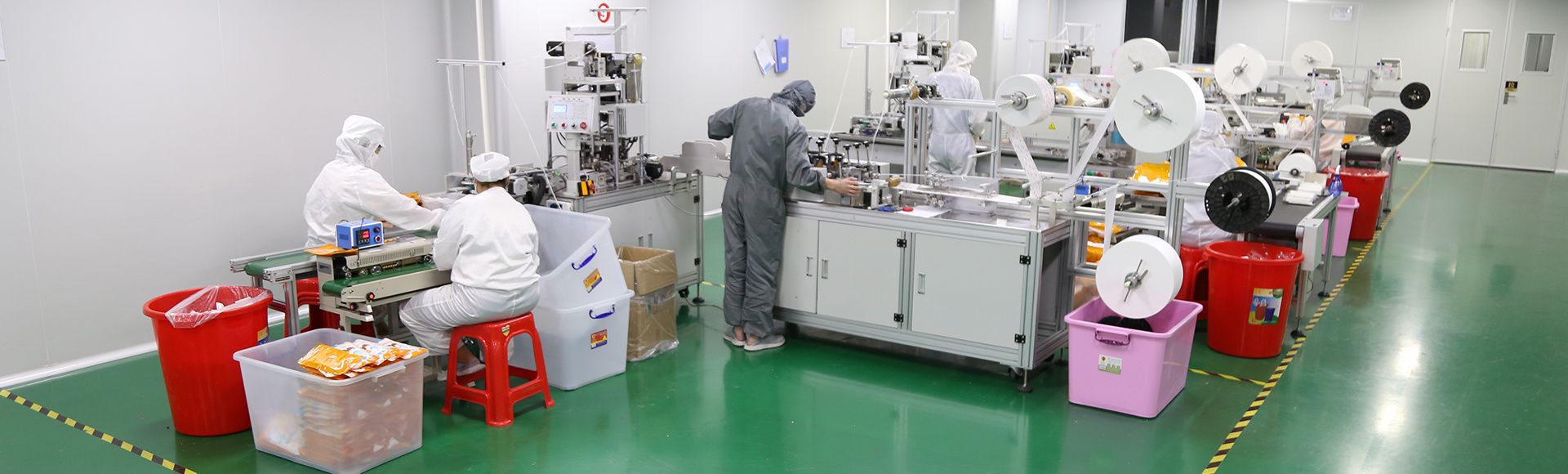
The Versatile World of Soft Non-Woven Fabric: Applications and Benefits
Nov 26,2025
Soft non-woven fabric is a remarkable material that has gained significant traction across a variety of industries due to its unique properties and versatility. Unlike woven fabrics, which are created by interlacing threads, soft non-woven fabrics are manufactured through processes such as bonding, felting, or melt-blowing, making them an innovative alternative for numerous applications.
One of the standout features of soft non-woven fabric is its softness. This characteristic makes the material particularly suitable for products that require a gentle touch on the skin, such as medical supplies, personal care items, and hygiene products. For instance, you will often find soft non-woven fabrics used in disposable diapers, feminine hygiene products, and surgical gowns where comfort and breathability are crucial.
In addition to comfort, soft non-woven fabrics exhibit excellent absorbency and filtration properties. This makes them ideal for applications in the medical field, such as surgical masks and wound dressings, where both moisture management and breathability are essential. The fabric's ability to trap particles and fluids ensures that such products maintain a high level of hygiene and safety.
Another significant advantage of soft non-woven fabrics is their lightweight nature. This property contributes to ease of handling and reduces the overall weight of products, making them more user-friendly. This is particularly advantageous in industries such as packaging and automotive, where reducing weight can lead to cost savings and improved efficiency.
Moreover, soft non-woven fabrics are often engineered to be biodegradable or recyclable, aligning with the growing demand for environmentally friendly solutions. Their production processes typically consume less energy and water compared to traditional woven textiles, making them a more sustainable choice. As eco-consciousness continues to rise, the appeal of soft non-woven materials will likely increase in both consumer and industrial markets.
The adaptability of soft non-woven fabrics also allows for a wide range of customization options. They can be produced in various thicknesses, densities, and finishes, enabling manufacturers to tailor the material to specific requirements. This flexibility opens up possibilities for innovative uses in sectors such as fashion, home textiles, and agriculture, where the fabric can serve multiple functions, from protective covers to aesthetic elements.
In summary, soft non-woven fabric is an essential material that offers a multitude of benefits across diverse applications. Its softness, absorbency, lightweight nature, and potential for sustainability make it an attractive option for industries ranging from healthcare to consumer goods. As technology continues to advance, we can expect to see even more innovative uses for this versatile fabric in the future.
One of the standout features of soft non-woven fabric is its softness. This characteristic makes the material particularly suitable for products that require a gentle touch on the skin, such as medical supplies, personal care items, and hygiene products. For instance, you will often find soft non-woven fabrics used in disposable diapers, feminine hygiene products, and surgical gowns where comfort and breathability are crucial.
In addition to comfort, soft non-woven fabrics exhibit excellent absorbency and filtration properties. This makes them ideal for applications in the medical field, such as surgical masks and wound dressings, where both moisture management and breathability are essential. The fabric's ability to trap particles and fluids ensures that such products maintain a high level of hygiene and safety.
Another significant advantage of soft non-woven fabrics is their lightweight nature. This property contributes to ease of handling and reduces the overall weight of products, making them more user-friendly. This is particularly advantageous in industries such as packaging and automotive, where reducing weight can lead to cost savings and improved efficiency.
Moreover, soft non-woven fabrics are often engineered to be biodegradable or recyclable, aligning with the growing demand for environmentally friendly solutions. Their production processes typically consume less energy and water compared to traditional woven textiles, making them a more sustainable choice. As eco-consciousness continues to rise, the appeal of soft non-woven materials will likely increase in both consumer and industrial markets.
The adaptability of soft non-woven fabrics also allows for a wide range of customization options. They can be produced in various thicknesses, densities, and finishes, enabling manufacturers to tailor the material to specific requirements. This flexibility opens up possibilities for innovative uses in sectors such as fashion, home textiles, and agriculture, where the fabric can serve multiple functions, from protective covers to aesthetic elements.
In summary, soft non-woven fabric is an essential material that offers a multitude of benefits across diverse applications. Its softness, absorbency, lightweight nature, and potential for sustainability make it an attractive option for industries ranging from healthcare to consumer goods. As technology continues to advance, we can expect to see even more innovative uses for this versatile fabric in the future.
Soft non-woven fabric
Latest News
Fujian Little Heart Daily Necessities Co., Ltd

Telephone:+86-13960356366
Address: 224 Jincheng Road, China Packaging and Printing Industry (Jinjiang) Base, Cizhao Town, Jinjiang City, Quanzhou City, Fujian Province