
How Non-Woven Masks Keep Kids Safe and Comfortable: A Comprehensive Guide
Sep 18,2026
How Non-Woven Masks Keep Kids Safe and Comfortable
Introduction to Non-Woven Masks
In today’s world, health and safety have become paramount, especially for our young ones. As parents, ensuring that our children are protected while they go about their daily activities is a key concern. One essential tool in this protective arsenal is the non-woven mask. These masks have gained significant popularity due to their effectiveness and comfort level. This article delves deep into how non-woven masks keep kids safe and comfortable, exploring their features, benefits, and usage tips.
What Are Non-Woven Masks?
Non-woven masks are crafted from synthetic fibers that are bonded together through various processes, rather than woven together, which gives them unique properties. These masks are designed to provide a barrier against airborne particles, droplets, and other contaminants, making them essential in various environments, from schools to outdoor activities.
The Composition of Non-Woven Masks
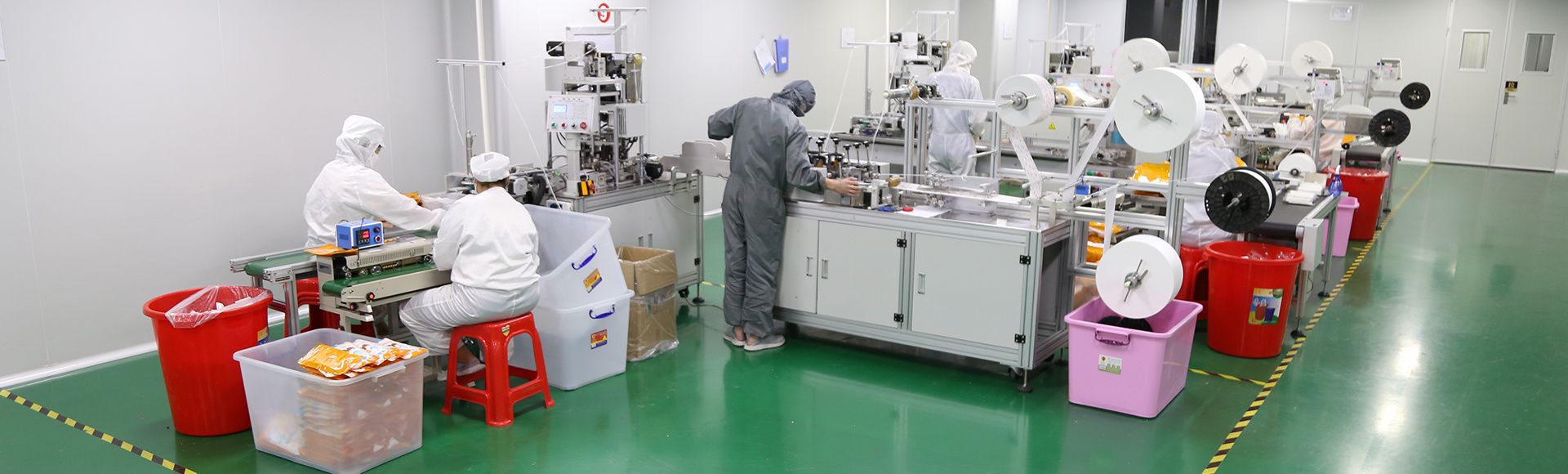
Non-woven masks are typically made from materials such as polypropylene, a lightweight and durable plastic. The manufacturing process involves melting the polypropylene and then forming it into thin fibers that can be layered to create a filter. This composition not only ensures effective filtration but also provides a soft texture, making it comfortable for children to wear.
The Benefits of Non-Woven Masks for Children
Understanding the benefits of non-woven masks is crucial for parents looking to protect their children. Here are some key advantages:
1. Enhanced Filtration Efficiency
Non-woven masks are known for their high filtration efficiency. They can effectively filter out fine particles and droplets, reducing the risk of inhaling harmful substances. This is particularly important for children, whose immune systems are still developing.
2. Breathable and Lightweight Design
One of the main concerns for parents is comfort. Non-woven masks are designed to be lightweight and breathable, allowing for easy airflow. This ensures that children can wear them for extended periods without discomfort, whether they are at school or playing outside.
3. Hypoallergenic Properties
Children with sensitive skin can often react negatively to certain materials. Non-woven masks are typically hypoallergenic, making them a safe choice for kids prone to allergies or skin irritation. The soft fibers prevent chafing against the skin, ensuring comfort during wear.
4. Cost-Effective Solution
Non-woven masks are generally more cost-effective than reusable fabric masks. They are often available in bulk and designed for single use, making them an economical choice for parents and schools alike.
How Non-Woven Masks Work
To understand the effectiveness of non-woven masks, it is essential to comprehend their mechanism of action.
The Filtration Process
Non-woven masks utilize a layered design that allows them to trap particles. The outer layer acts as a barrier against larger droplets, while the inner layers filter out smaller particles. This multilayer structure is key to providing effective protection, reducing the likelihood of transmission of airborne viruses and bacteria.
Comfort Features Designed for Kids
When it comes to children's masks, comfort is crucial. Non-woven masks often come with adjustable ear loops and nose wires to provide a snug yet comfortable fit. This adaptability ensures that the mask does not slip off during play or daily activities, allowing for a secure and comfortable experience.
Choosing the Right Non-Woven Mask for Your Child
Selecting the perfect non-woven mask for your child involves several considerations to ensure safety and comfort.
Size Matters
Children come in various sizes, and so do masks. It is essential to choose a mask that fits properly. Look for masks specifically designed for kids, as they often come in smaller sizes, ensuring a better fit and enhanced protection.
Look for Certifications
Not all masks are created equal. When purchasing non-woven masks, check for certifications and compliance with relevant standards. Masks that meet ASTM or EN14683 standards ensure that they provide adequate protection.
Color and Design Preferences
Involving children in the selection process can help encourage them to wear their masks. Opt for masks with fun designs, colors, or characters that appeal to your child's interests. This can make the wearing experience more enjoyable.
Proper Usage and Maintenance of Non-Woven Masks
To maximize the effectiveness of non-woven masks, proper usage and maintenance are crucial.
How to Properly Wear a Non-Woven Mask
Educate your child on how to wear a mask correctly:
- Ensure the mask covers both the nose and mouth completely.
- Make sure the mask fits snugly against the sides of the face without gaps.
- Avoid touching the mask while wearing it.
When to Replace the Mask
Non-woven masks are designed for single-use. They should be replaced if they become wet, dirty, or damaged. Teach your child to recognize when their mask needs changing, reinforcing the importance of hygiene.
Disposal of Used Masks
Teach your child the correct way to dispose of used masks. They should be discarded in a sealed bag or container to prevent contamination. This educates them about hygiene and responsible waste disposal.
Addressing Common Concerns About Non-Woven Masks
Many parents may have concerns regarding the use of non-woven masks for their children. Addressing these concerns can help ease worries.
Are Non-Woven Masks Safe for Children?
Yes, non-woven masks are safe for children when used correctly. Ensure the mask fits well and is not too tight, allowing for comfort and breathability.
What If My Child Refuses to Wear a Mask?
If your child is resistant to wearing a mask, try incorporating it into a fun activity. Let them decorate their mask or choose one with a design they love. Explain the importance of wearing a mask in a way they can understand, framing it as a superhero tool for protection.
FAQs About Non-Woven Masks for Kids
1. How long can my child wear a non-woven mask?
Non-woven masks should generally be worn for a maximum of four hours. If the mask becomes wet or damaged, it should be replaced immediately.
2. Can non-woven masks be washed and reused?
No, non-woven masks are designed for single use and should not be washed or reused.
3. How do I know if a non-woven mask fits my child properly?
A proper fit occurs when the mask covers the nose and mouth fully and fits snugly against the sides of the face without gaps.
4. How should I store non-woven masks when not in use?
Store masks in a clean, dry place away from direct sunlight. A resealable bag or container is ideal for maintaining their cleanliness.
5. What should I do if my child experiences discomfort while wearing a mask?
If your child feels discomfort, check the fit of the mask. It may be too tight or not properly adjusted. If discomfort persists, consider trying a different mask style or size.
Conclusion
Non-woven masks are a vital tool in protecting our children from airborne particles while ensuring their comfort. With their superior filtration capabilities, lightweight design, and hypoallergenic properties, they offer an ideal solution for parents. By choosing the right mask, educating children on proper usage, and addressing any concerns, we can help our kids navigate today’s world safely and comfortably. Investing in quality non-woven masks is not just about protection; it’s about peace of mind for parents and a sense of security for children.
Non-woven kids masks
Latest News
Fujian Little Heart Daily Necessities Co., Ltd

Telephone:+86-13960356366
Address: 224 Jincheng Road, China Packaging and Printing Industry (Jinjiang) Base, Cizhao Town, Jinjiang City, Quanzhou City, Fujian Province