
Exploring the Versatility of Soft Non-Woven Fabric in Everyday Products
Feb 20,2026
Exploring the Versatility of Soft Non-Woven Fabric in Everyday Products
Table of Contents
- Understanding Non-Woven Fabric: What It Is and How It's Made
- Advantages of Soft Non-Woven Fabric: Why Choose It?
- Applications of Soft Non-Woven Fabric in Consumer Products
- The Sustainable Benefits of Soft Non-Woven Fabric
- Innovative Uses of Soft Non-Woven Fabric in Industries
- Care and Maintenance of Soft Non-Woven Fabric Products
- Comparing Soft Non-Woven Fabric with Woven Fabrics
- The Future of Soft Non-Woven Fabric in Everyday Life
- FAQs About Soft Non-Woven Fabric
Understanding Non-Woven Fabric: What It Is and How It's Made
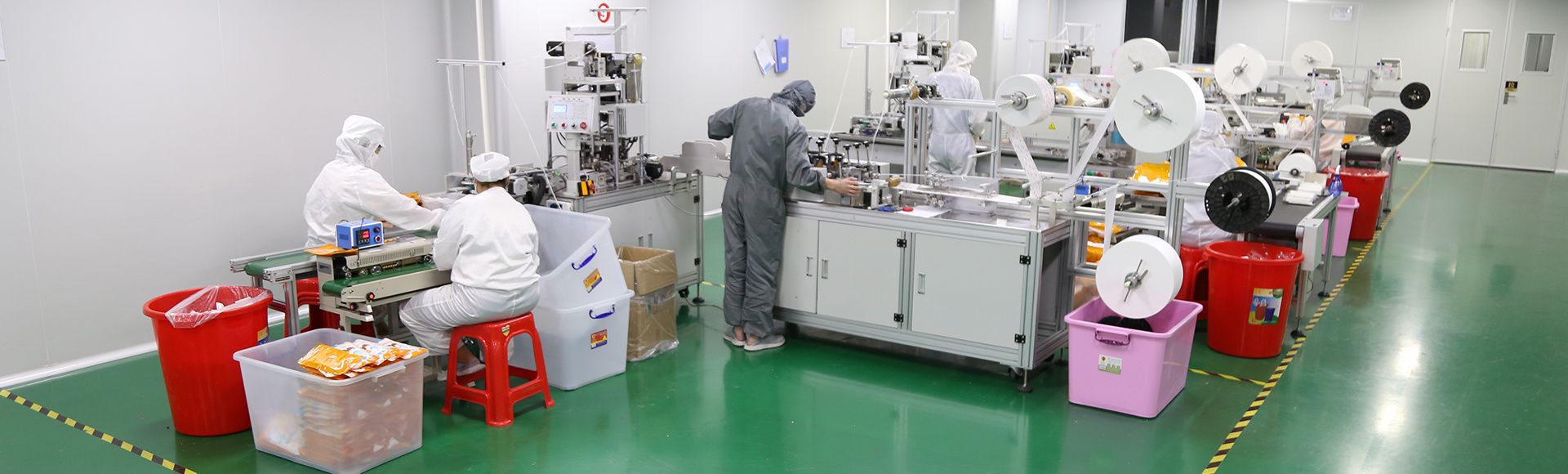
Soft non-woven fabric is a textile made from fibers that are bonded together through various methods such as heat, chemicals, or mechanical processes. Unlike woven fabrics, which are constructed by interlacing threads, non-woven fabrics are created through direct bonding of fibers. This unique manufacturing process results in a fabric that is both versatile and cost-effective.
The production of non-woven fabric begins with raw materials, typically polyester, polypropylene, or cotton. These fibers are processed into a web-like structure, which is then subjected to heat or pressure to create a dense and durable fabric. This manufacturing technique allows for a wide variety of textures, thicknesses, and colors, making soft non-woven fabric an ideal choice for many applications.
Advantages of Soft Non-Woven Fabric: Why Choose It?
The increasing popularity of soft non-woven fabric can be attributed to its numerous advantages. Here are some key benefits:
1. Lightweight and Breathable
Soft non-woven fabrics are lightweight, which makes them comfortable to wear and easy to handle. The breathability of these fabrics allows for better air circulation, making them suitable for various applications, including clothing and medical products.
2. Cost-Effective
The production of non-woven fabric is generally less expensive than traditional woven fabrics. This affordability makes soft non-woven fabrics a preferred choice for manufacturers looking to provide quality products without breaking the bank.
3. Versatility
Soft non-woven fabric can be tailored to meet specific requirements, making it suitable for a wide range of applications, from packaging materials to personal care products. Its adaptability ensures that it can cater to diverse consumer needs.
4. Absorbent and Hygienic
Many soft non-woven fabrics exhibit excellent absorbent properties, making them ideal for personal hygiene products, such as diapers, feminine hygiene items, and medical supplies. Their ability to wick moisture away ensures comfort and cleanliness.
5. Environmentally Friendly Options
With an increasing focus on sustainability, many manufacturers are now producing biodegradable non-woven fabrics. These eco-friendly options minimize environmental impact, making them a responsible choice for conscientious consumers.
Applications of Soft Non-Woven Fabric in Consumer Products
The versatility of soft non-woven fabric is evident in its wide range of applications in consumer products. Here are some notable areas:
1. Eco-Friendly Shopping Bags
The rise of environmental awareness has led to the popularity of reusable shopping bags made from soft non-woven fabric. These bags are durable, lightweight, and can be produced in various colors and designs, making them an attractive alternative to single-use plastic bags.
2. Personal Care Products
Soft non-woven fabrics are extensively used in personal care products, such as wipes, masks, and disposable towels. Their absorbent and gentle nature makes them perfect for sensitive skin applications.
3. Apparel and Accessories
Clothing items and accessories made from soft non-woven fabric are gaining traction in the fashion industry. These materials can provide unique textures and styles, adding innovative elements to everyday wear.
4. Home Textiles
Non-woven fabrics are also finding their way into home textiles, including curtains, tablecloths, and bedding. Their durability and ease of maintenance make them a practical choice for home décor.
5. Medical and Healthcare Products
In the medical field, soft non-woven fabrics are essential in manufacturing products such as surgical gowns, masks, and dressings. Their hygiene and comfort properties are critical in healthcare settings.
The Sustainable Benefits of Soft Non-Woven Fabric
The demand for sustainable materials is on the rise, and soft non-woven fabric is at the forefront of eco-friendly innovations. Here’s how:
1. Biodegradability
Many non-woven fabrics are now made from biodegradable materials, ensuring that they break down naturally over time. This characteristic significantly reduces landfill waste compared to traditional plastic products.
2. Reduced Resource Consumption
The manufacturing process of non-woven fabrics typically consumes fewer resources, including water and energy, compared to woven textiles. This efficiency contributes to a more sustainable textile industry.
3. Recyclability
Soft non-woven fabrics can often be recycled into new products, thereby promoting a circular economy. Recycling efforts help to minimize waste and reduce the demand for virgin materials.
4. Lightweight Transportation
Due to their lightweight nature, soft non-woven fabrics contribute to lower transportation costs and carbon emissions. This factor makes them an environmentally friendly choice for manufacturers and consumers alike.
Innovative Uses of Soft Non-Woven Fabric in Industries
The adaptability of soft non-woven fabric extends beyond consumer products. Industries are embracing its benefits in various innovative ways:
1. Automotive Industry
Soft non-woven fabrics are increasingly used in the automotive sector for interior linings, acoustic insulation, and seat covers. Their lightweight properties contribute to overall vehicle efficiency.
2. Construction and Infrastructure
In construction, non-woven fabrics are used as geotextiles, helping with soil stabilization and erosion control. Their durability and water permeability make them invaluable in infrastructure projects.
3. Filtration Systems
Soft non-woven materials play a crucial role in filtration systems for air and water purification. Their ability to trap particles while allowing airflow enhances the efficiency of these systems.
4. Agriculture
Agricultural applications of non-woven fabric include crop cover, mulch mats, and weed control fabrics. They protect crops, improve soil health, and reduce pesticide usage.
5. Protective Clothing
The demand for protective clothing in industries such as construction, healthcare, and manufacturing has led to the use of soft non-woven fabrics in safety gear. Their lightweight and breathable nature enhances comfort while providing essential protection.
Care and Maintenance of Soft Non-Woven Fabric Products
To ensure the longevity of products made from soft non-woven fabric, proper care and maintenance are essential. Here are some tips:
1. Cleaning Guidelines
Most soft non-woven fabrics can be hand-washed with mild detergent. Avoid harsh chemicals that may degrade the fabric. For larger items, check manufacturer instructions for washing machine compatibility.
2. Storage Recommendations
Store non-woven fabric products in a cool, dry place away from direct sunlight to prevent fading and degradation. Avoid folding to minimize creasing and maintain shape.
3. Avoiding Excessive Heat
Excessive heat can damage non-woven fabrics. When ironing, use a low-temperature setting and place a cloth between the iron and fabric to prevent scorching.
Comparing Soft Non-Woven Fabric with Woven Fabrics
Understanding the differences between soft non-woven and woven fabrics can help consumers make informed choices. Here’s a comparison:
1. Structure and Durability
Woven fabrics consist of interlaced threads, providing strength and durability, while non-woven fabrics rely on bonding processes. This difference makes non-woven fabrics typically less durable than woven options but offers unique benefits like breathability and softness.
2. Cost-Effectiveness
Non-woven fabrics tend to be more cost-effective due to simpler manufacturing processes. This affordability makes them an attractive option for disposable products.
3. Versatility
Non-woven fabrics can be produced in various textures and weights, making them suitable for a broader range of applications compared to woven fabrics, which are often limited in design flexibility.
The Future of Soft Non-Woven Fabric in Everyday Life
As industries continue to explore innovative applications, the future of soft non-woven fabric appears promising. Advancements in technology and a growing emphasis on sustainability will likely drive further developments in this versatile textile.
1. Innovations in Production Technology
Emerging technologies in manufacturing processes could lead to enhanced performance characteristics in non-woven fabrics, such as improved strength and moisture-wicking capabilities.
2. Expansion in Eco-Friendly Options
With the increasing consumer demand for sustainable products, the future will likely see a rise in eco-friendly non-woven fabric options, solidifying their role in promoting environmental responsibility.
3. Broader Market Penetration
As more industries recognize the benefits of soft non-woven fabric, its applications will continue to expand, leading to new product innovations and market opportunities.
FAQs About Soft Non-Woven Fabric
1. What is soft non-woven fabric made of?
Soft non-woven fabric is typically made from synthetic fibers like polypropylene or polyester, though natural fibers like cotton can also be used.
2. How is non-woven fabric different from woven fabric?
Non-woven fabric is created by bonding fibers together, while woven fabric is made by interlacing threads. This results in different textures, strength, and applications.
3. Can soft non-woven fabric be recycled?
Yes, many soft non-woven fabrics can be recycled into new products, promoting a circular economy and reducing waste.
4. Are non-woven fabrics biodegradable?
Many manufacturers produce biodegradable non-woven fabrics, which break down naturally over time, making them an environmentally friendly option.
5. What are the best uses for soft non-woven fabric?
Soft non-woven fabric is widely used in personal care products, eco-friendly shopping bags, medical supplies, home textiles, and various industrial applications.
Conclusion
The versatility of soft non-woven fabric continues to unveil new possibilities in everyday products. As we explore its unique properties and applications, it becomes clear that this innovative material is not just a trend but a staple in various industries. From eco-conscious shopping bags to essential personal care items, soft non-woven fabric is poised to play a significant role in shaping a sustainable future. By embracing its benefits and potential, consumers and manufacturers alike can contribute to a more innovative and eco-friendly landscape.
Soft non-woven fabric
Latest News
Fujian Little Heart Daily Necessities Co., Ltd

Telephone:+86-13960356366
Address: 224 Jincheng Road, China Packaging and Printing Industry (Jinjiang) Base, Cizhao Town, Jinjiang City, Quanzhou City, Fujian Province