
Exploring the Environmental Impact of Disposable Feeding Bibs: Uncovering the Hidden Costs
Nov 13,2026
Exploring the Environmental Impact of Disposable Feeding Bibs: Uncovering the Hidden Costs
Introduction to Disposable Feeding Bibs
In the world of parenting, **disposable feeding bibs** are often seen as a convenient solution for mealtime messes. They save time and effort, allowing parents to focus on feeding their infants rather than cleaning up. However, this convenience comes at a significant cost to the environment. In this article, we will delve into the various facets of disposable feeding bibs, examining their environmental impact, alternatives, and how informed choices can lead to a healthier planet.
Understanding Disposable Feeding Bibs
Disposable feeding bibs are typically made from plastic, paper, or a combination of materials. They are designed for single use, making them a quick option for parents on the go. However, the very characteristics that make these bibs appealing also contribute to their environmental footprint.
Material Composition
Most disposable bibs are made from polyethylene or other plastic-based materials. These materials are not biodegradable, meaning they persist in the environment for hundreds of years. The production of these plastics not only consumes fossil fuels but also emits greenhouse gases, contributing to climate change.
Production Process and Environmental Costs
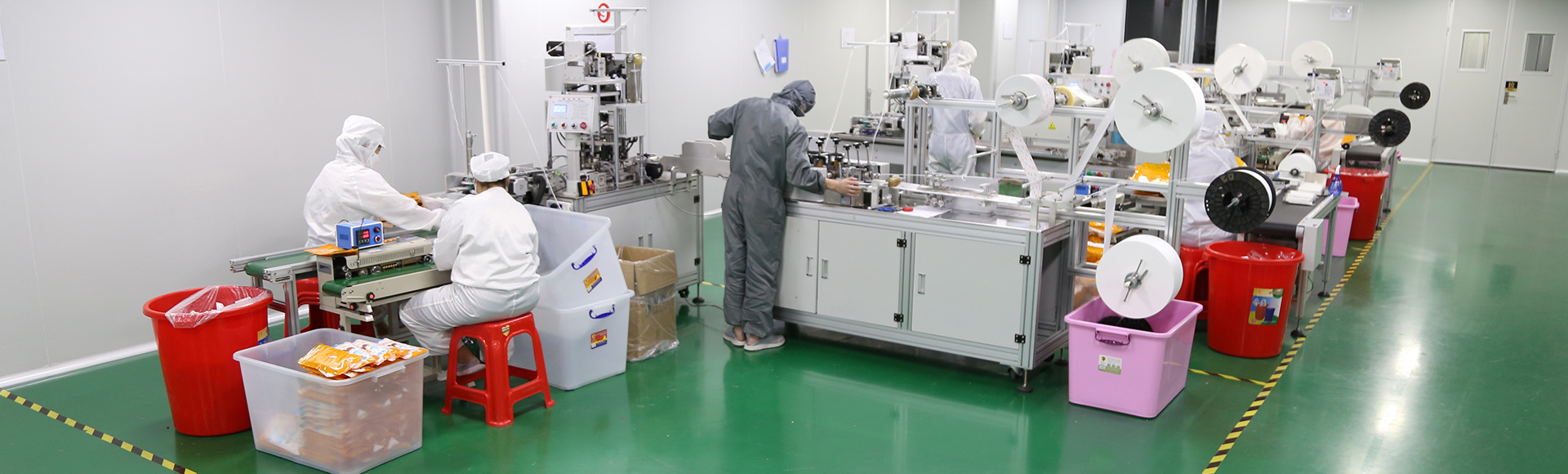
The production of disposable feeding bibs involves several stages, each with its environmental implications. From extracting raw materials to manufacturing, packaging, and distribution, the entire lifecycle of these products contributes to resource depletion and pollution. It is essential to consider the full impact of these processes on our environment.
The Waste Problem: What Happens After Use?
Once used, disposable feeding bibs typically end up in landfills. This adds to the already overwhelming amount of plastic waste, which poses significant challenges for waste management systems worldwide.
Landfill Contributions
Plastic bibs can take hundreds of years to decompose, leaching harmful chemicals into the soil and water. This not only impacts local ecosystems but also poses risks to human health. As parents, it is crucial to recognize the long-term consequences of our disposable habits.
Environmental Pollution from Landfills
The accumulation of plastic waste in landfills leads to various forms of pollution. As plastics break down, they can release microplastics into the environment, which have been found in our oceans, rivers, and even in the air we breathe. This pollution can have devastating effects on wildlife and ecosystems, underscoring the urgent need for sustainable alternatives.
Exploring Sustainable Alternatives to Disposable Feeding Bibs
Given the environmental issues associated with disposable feeding bibs, many parents are seeking sustainable alternatives. There are several options available that can significantly reduce waste while maintaining the convenience parents desire.
Reusable Feeding Bibs
Reusable feeding bibs are a fantastic alternative that helps minimize waste. Typically made from durable materials like cotton or silicone, these bibs can be washed and reused multiple times. Their longevity not only reduces the overall environmental impact but also saves money in the long run.
Benefits of Reusable Bibs
1. **Eco-Friendly**: Reusable bibs significantly reduce the amount of waste produced, contributing to a healthier planet.
2. **Durability**: High-quality materials ensure that reusable bibs withstand numerous washes, providing excellent value over time.
3. **Variety**: Reusable bibs come in various designs, styles, and sizes, catering to different tastes and needs.
Biodegradable Feeding Bibs
Another option gaining popularity is biodegradable feeding bibs. Made from natural materials that break down over time, these bibs offer a more sustainable solution without sacrificing convenience. While they may still require proper disposal methods to ensure they decompose effectively, they represent a step in the right direction.
Key Features of Biodegradable Bibs
1. **Natural Materials**: Composed of organic materials, biodegradable bibs reduce reliance on petroleum-based plastics.
2. **Compostable Options**: Some biodegradable bibs can be composted, returning nutrients to the soil and minimizing landfill contributions.
3. **Reduced Carbon Footprint**: The production of biodegradable bibs often involves lower emissions compared to traditional plastic bibs.
The Role of Parents in Promoting Sustainability
Parents play a crucial role in shaping a more sustainable future. By making informed choices about feeding supplies, they can drive demand for eco-friendly products and foster a culture of sustainability among their peers.
Educating on the Environmental Impact
Understanding the environmental impact of disposable feeding bibs is the first step towards change. Parents can share this knowledge with others, raising awareness about the importance of sustainable practices and encouraging friends and family to consider alternatives.
Advocating for Sustainable Products
Engaging with brands that prioritize sustainability can lead to greater availability of eco-friendly products. By supporting companies that align with sustainable practices, parents can contribute to a larger movement toward reducing plastic waste.
Frequently Asked Questions (FAQs)
1. Are disposable feeding bibs recyclable?
Most disposable feeding bibs are not recyclable due to the materials used in their production. It is essential to check local recycling guidelines to understand what can and cannot be recycled in your area.
2. How long does it take for disposable feeding bibs to decompose?
Disposable feeding bibs can take hundreds of years to decompose, contributing to long-term plastic pollution in landfills.
3. What are the health risks associated with plastic bibs?
Plastic bibs can leach harmful chemicals into food and the environment, posing potential health risks to both children and wildlife. Opting for safer, more sustainable alternatives is advisable.
4. How can I properly dispose of biodegradable feeding bibs?
Biodegradable bibs should be disposed of in a compost bin if they are compostable. Always check the manufacturer's guidelines for disposal instructions.
5. What are the best materials for reusable feeding bibs?
Common materials for reusable bibs include cotton, bamboo, and silicone. These materials are durable, easy to clean, and eco-friendly.
Conclusion: Making Informed Choices for a Greener Future
As we explore the environmental impact of disposable feeding bibs, it becomes clear that our choices matter. By opting for sustainable alternatives, educating ourselves and our communities, and advocating for eco-friendly practices, we can significantly reduce the negative consequences of these seemingly innocuous products. In doing so, we not only protect our environment but also create a healthier, more sustainable future for our children. The journey towards sustainability starts with the choices we make today; let’s choose wisely for the generations to come.
Disposable feeding bibs
Latest News
Fujian Little Heart Daily Necessities Co., Ltd

Telephone:+86-13960356366
Address: 224 Jincheng Road, China Packaging and Printing Industry (Jinjiang) Base, Cizhao Town, Jinjiang City, Quanzhou City, Fujian Province