
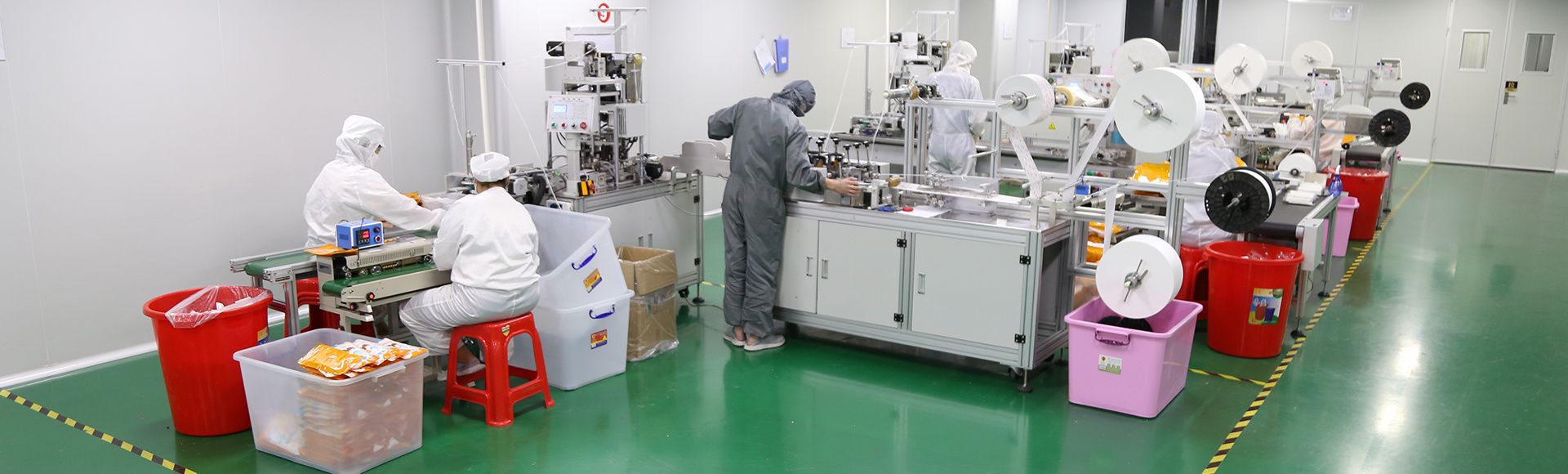
The Essential Guide to Child Protective Masks: Safety, Comfort, and Benefits
May 03,2026
In recent years, the conversation around child protective masks has gained significant traction, particularly in the wake of global health crises and heightened awareness of air quality issues. Understanding what makes these masks essential for children can help parents make informed decisions regarding their usage.
Child protective masks are specifically designed to fit the smaller facial structures of children, providing a snug yet comfortable fit. Unlike standard adult masks, these masks often feature adjustable ear loops or straps, ensuring that they remain securely in place during activities like play or school. This fit is crucial, as a properly fitted mask maximizes its effectiveness in filtering airborne particles while also enhancing comfort for the wearer.
One of the primary purposes of child protective masks is to safeguard young ones from various environmental hazards. In urban areas, for instance, pollution levels can be concerning, and masks can help reduce inhalation of harmful pollutants. Similarly, during cold and flu seasons, these masks serve as an extra layer of protection against viruses and bacteria, making them particularly beneficial in crowded settings like schools and public transportation.
Moreover, child protective masks come in various styles, colors, and designs, which can make wearing them more appealing to children. Many brands offer masks with fun graphics and patterns that cater to younger audiences, transforming the mask-wearing experience from a chore into a fashion statement. This aesthetic appeal is essential for encouraging children to wear their masks consistently and correctly.
It’s also important to consider the materials used in the manufacturing of child protective masks. Many masks are made from breathable fabrics that allow for adequate airflow while still offering protection. Parents should look for masks that are soft on the skin, hypoallergenic, and easy to clean. Some masks are even designed to be reusable, which can be an eco-friendly and cost-effective choice.
In addition to practical features, child protective masks can also instill a sense of responsibility in children. By participating in the practice of wearing masks, children learn about the importance of health and safety measures, fostering a culture of care and consideration for others.
In conclusion, child protective masks play a vital role in promoting children's health and safety. They are designed to fit properly, provide necessary protection, and can be made appealing to younger wearers. As parents navigate through the myriad of options available, understanding the benefits and features of these masks will empower them to make choices that best suit their child's needs. By prioritizing safety and comfort, parents can ensure their children are well-equipped to face the world around them.
Child protective masks are specifically designed to fit the smaller facial structures of children, providing a snug yet comfortable fit. Unlike standard adult masks, these masks often feature adjustable ear loops or straps, ensuring that they remain securely in place during activities like play or school. This fit is crucial, as a properly fitted mask maximizes its effectiveness in filtering airborne particles while also enhancing comfort for the wearer.
One of the primary purposes of child protective masks is to safeguard young ones from various environmental hazards. In urban areas, for instance, pollution levels can be concerning, and masks can help reduce inhalation of harmful pollutants. Similarly, during cold and flu seasons, these masks serve as an extra layer of protection against viruses and bacteria, making them particularly beneficial in crowded settings like schools and public transportation.
Moreover, child protective masks come in various styles, colors, and designs, which can make wearing them more appealing to children. Many brands offer masks with fun graphics and patterns that cater to younger audiences, transforming the mask-wearing experience from a chore into a fashion statement. This aesthetic appeal is essential for encouraging children to wear their masks consistently and correctly.
It’s also important to consider the materials used in the manufacturing of child protective masks. Many masks are made from breathable fabrics that allow for adequate airflow while still offering protection. Parents should look for masks that are soft on the skin, hypoallergenic, and easy to clean. Some masks are even designed to be reusable, which can be an eco-friendly and cost-effective choice.
In addition to practical features, child protective masks can also instill a sense of responsibility in children. By participating in the practice of wearing masks, children learn about the importance of health and safety measures, fostering a culture of care and consideration for others.
In conclusion, child protective masks play a vital role in promoting children's health and safety. They are designed to fit properly, provide necessary protection, and can be made appealing to younger wearers. As parents navigate through the myriad of options available, understanding the benefits and features of these masks will empower them to make choices that best suit their child's needs. By prioritizing safety and comfort, parents can ensure their children are well-equipped to face the world around them.
Child protective masks
Latest News
Fujian Little Heart Daily Necessities Co., Ltd

Telephone:+86-13960356366
Address: 224 Jincheng Road, China Packaging and Printing Industry (Jinjiang) Base, Cizhao Town, Jinjiang City, Quanzhou City, Fujian Province