
Understanding Non-Woven Baby Bibs: A Comprehensive Guide for Industry Professionals
May 09,2026
In the realm of infant care products, non-woven baby bibs have gained significant popularity due to their unique properties and functional advantages. These bibs, made from non-woven fabrics, offer a lightweight and absorbent solution for protecting babies' clothing during feeding. Understanding the features and benefits of non-woven baby bibs can provide a competitive edge for professionals in the light industrial goods and baby products sector.
One of the primary advantages of non-woven baby bibs is their softness and comfort. Unlike traditional cotton bibs, non-woven materials are designed to be gentle against a baby's sensitive skin, reducing the risk of irritation. This is especially important for infants, who often experience rashes and discomfort from rougher fabrics. Additionally, non-woven bibs are highly absorbent, making them effective in catching spills and drool, which is crucial during meal times.
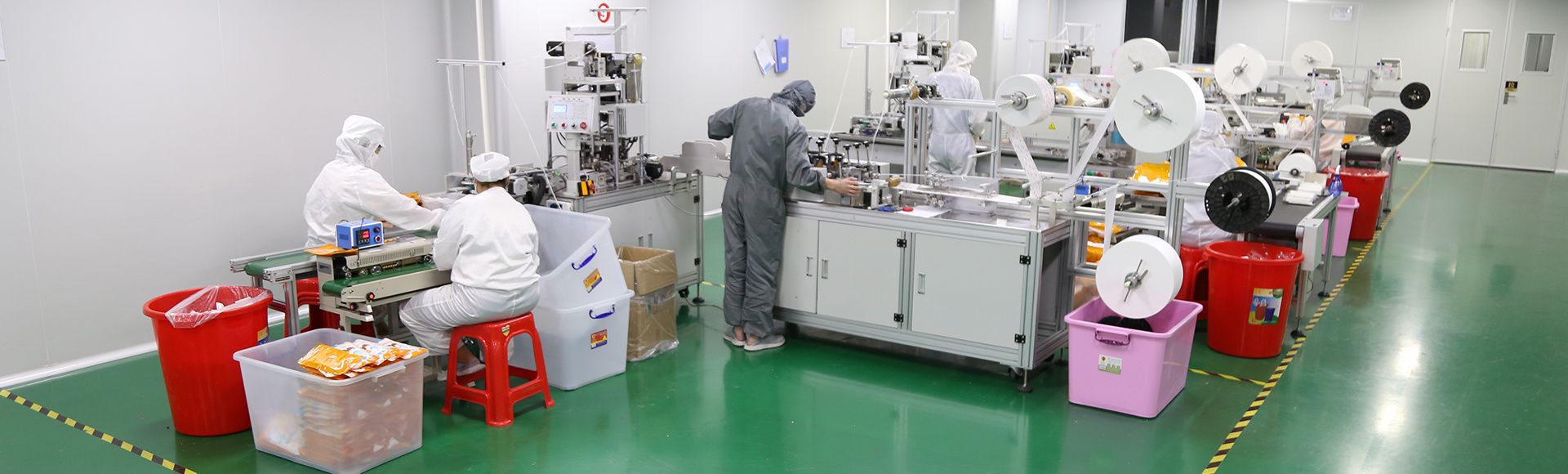
The production process of non-woven baby bibs is another area of interest. These bibs are created through methods such as spunbonding or needle-punching, which involve bonding fibers together without the need for weaving. This process not only enhances the durability of the bibs but also allows for the creation of various designs and colors, appealing to modern parents looking for stylish yet functional products. Furthermore, non-woven materials often have specific antimicrobial properties, which help in maintaining hygiene—a critical aspect for baby products.
Market trends indicate a growing demand for eco-friendly products, and non-woven baby bibs can cater to this need. Many manufacturers are now producing biodegradable or recyclable non-woven fabrics, aligning with the increasing consumer preference for sustainable options. This shift is encouraging businesses to innovate and adapt their product offerings, ensuring they remain competitive in a rapidly evolving market.
In addition to their practical benefits, non-woven baby bibs are also cost-effective. Their lightweight nature contributes to lower shipping costs, while the efficient production process can lead to reduced manufacturing expenses. For industry professionals, this means that non-woven baby bibs can be an attractive option for both retailers and consumers looking for affordability without compromising quality.
In conclusion, non-woven baby bibs represent a significant opportunity within the light industrial goods sector, particularly for baby products. By understanding their benefits, production methods, and market trends, professionals can make informed decisions that align with consumer demands and drive business growth. As the market continues to evolve, staying ahead of trends and innovations in non-woven materials will be crucial for success in this competitive industry.
One of the primary advantages of non-woven baby bibs is their softness and comfort. Unlike traditional cotton bibs, non-woven materials are designed to be gentle against a baby's sensitive skin, reducing the risk of irritation. This is especially important for infants, who often experience rashes and discomfort from rougher fabrics. Additionally, non-woven bibs are highly absorbent, making them effective in catching spills and drool, which is crucial during meal times.
The production process of non-woven baby bibs is another area of interest. These bibs are created through methods such as spunbonding or needle-punching, which involve bonding fibers together without the need for weaving. This process not only enhances the durability of the bibs but also allows for the creation of various designs and colors, appealing to modern parents looking for stylish yet functional products. Furthermore, non-woven materials often have specific antimicrobial properties, which help in maintaining hygiene—a critical aspect for baby products.
Market trends indicate a growing demand for eco-friendly products, and non-woven baby bibs can cater to this need. Many manufacturers are now producing biodegradable or recyclable non-woven fabrics, aligning with the increasing consumer preference for sustainable options. This shift is encouraging businesses to innovate and adapt their product offerings, ensuring they remain competitive in a rapidly evolving market.
In addition to their practical benefits, non-woven baby bibs are also cost-effective. Their lightweight nature contributes to lower shipping costs, while the efficient production process can lead to reduced manufacturing expenses. For industry professionals, this means that non-woven baby bibs can be an attractive option for both retailers and consumers looking for affordability without compromising quality.
In conclusion, non-woven baby bibs represent a significant opportunity within the light industrial goods sector, particularly for baby products. By understanding their benefits, production methods, and market trends, professionals can make informed decisions that align with consumer demands and drive business growth. As the market continues to evolve, staying ahead of trends and innovations in non-woven materials will be crucial for success in this competitive industry.
Non-woven baby bibs
Latest News
Fujian Little Heart Daily Necessities Co., Ltd

Telephone:+86-13960356366
Address: 224 Jincheng Road, China Packaging and Printing Industry (Jinjiang) Base, Cizhao Town, Jinjiang City, Quanzhou City, Fujian Province